
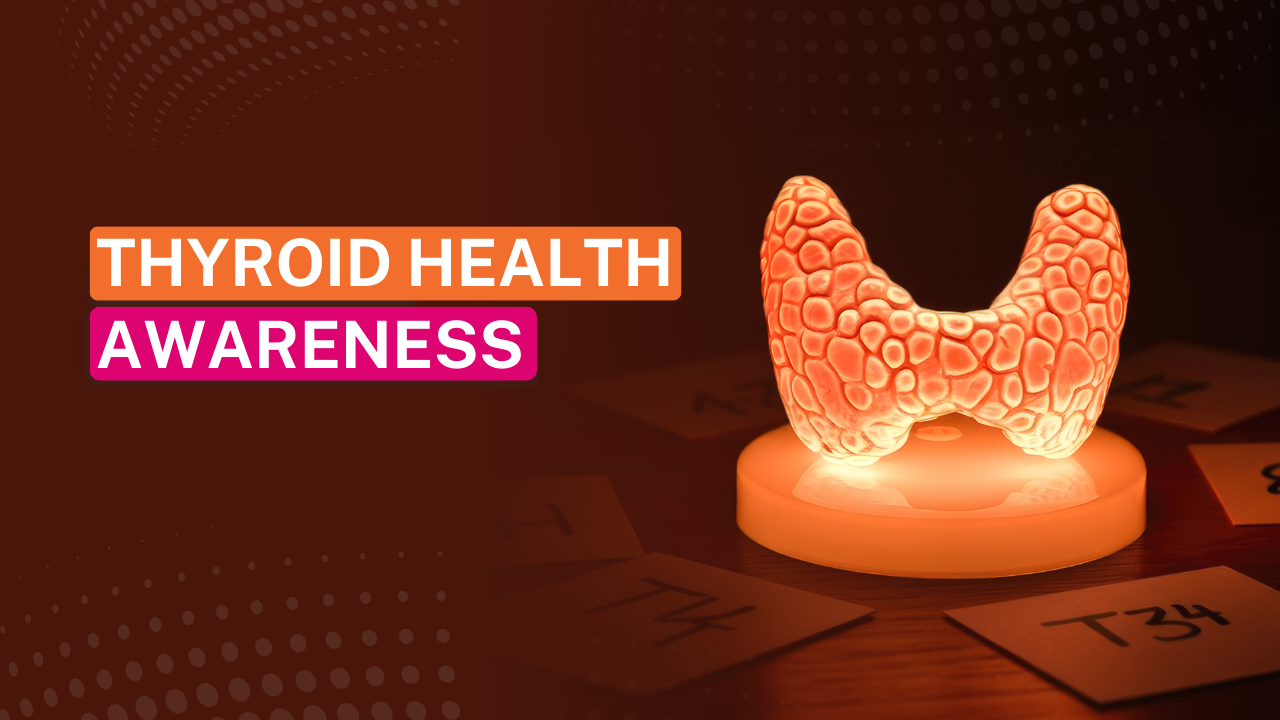
January is observed as the Thyroid Awareness Month globally and in India.
Thyroid disorders include hypothyroidism and hyperthyroidism.
The article addresses the role of nutrition in hypothyroidism.
Hypothyroidism in India
In India, hypothyroidism affects about 3% of the population, and subclinical hypothyroidism is even more common.
Causes include:
- Iodine deficiency (now less common due to the iodized salt programme)
- Autoimmune diseases like Hashimoto’s thyroiditis
- Nutrient deficiencies
- Environmental factors such as stress
Weight gain and beyond!
From a metabolic perspective, hypothyroidism slows down basal metabolic rate, disrupts lipid metabolism causing increased cholesterol and LDL, and is often linked with insulin resistance—that makes weight loss more difficult.
Interestingly, thyroid hormones interact with other hormones like insulin, cortisol, and reproductive hormones, influencing your metabolic health and weight regulation.
Did you know thyroid problems can quietly sneak up during perimenopause? Sometimes your TSH levels may rise temporarily after an infection. Speak to your doctor for the tests that are relevant to assess your thyroid function.
If you already have been diagnosed with a thyroid disorder, ensure regular testing, follow ups and review medication doses with your treating doctor.
Insulin Resistance and Hypothyroidism: The Metabolic Connection
A striking relationship exists between hypothyroidism and insulin resistance. Hypothyroidism can impair insulin-mediated glucose metabolism, leading to higher insulin and blood sugar levels. Studies show that nearly two-thirds of patients with overt hypothyroidism exhibit insulin resistance. This metabolic dysfunction raises the risk for future diabetes and heart disease.
Keto Diet and Hypothyroidism: Can It Help Manage Weight?
The ketogenic diet, which is low in carbohydrates, moderate in protein, and high in healthy fats, may offer some benefits by improving insulin sensitivity, reducing inflammation, and promoting fat utilization for energy.
Research shows that while thyroid hormone levels may slightly adjust on keto, the diet’s potential to reduce insulin levels can help with weight management in hypothyroidism. It also has an anti-inflammatory effect which is beneficial for autoimmune thyroid disorders.
Nutritional Guidelines for People with Thyroid Disorders
Adequate Iodine, Selenium, Iron, Copper, Magnesium, Zinc, Vitamin A, D & B12 are needed.The gut microbiome can influence thyroid function by modulating immune responses.
Tips:
- Consume iodised salt. Don’t replace regular salt with pink salt. Iodine is the cornerstone mineral needed for T3 and T4 production, along with zinc and copper.
- Eat selenium-rich foods like nuts, fish, and lean meats. Selenium and magnesium are essential for enzymes that convert inactive T4 into active T3 and are also anti-inflammatory.
- Ensure sufficient iron intake through lean meats, beans, and leafy greens, especially if anemic. Studies show women with iron deficiency have significantly lower thyroid hormones.
- Include B vitamins through eggs, dairy, and pulses.
- Limit processed, sugary foods to reduce inflammation. Replace grains with more pulses, limit fruits.
- Consider naturally fermented foods, probiotics to promote gut health.
- Vitamin D might need supplementation.